
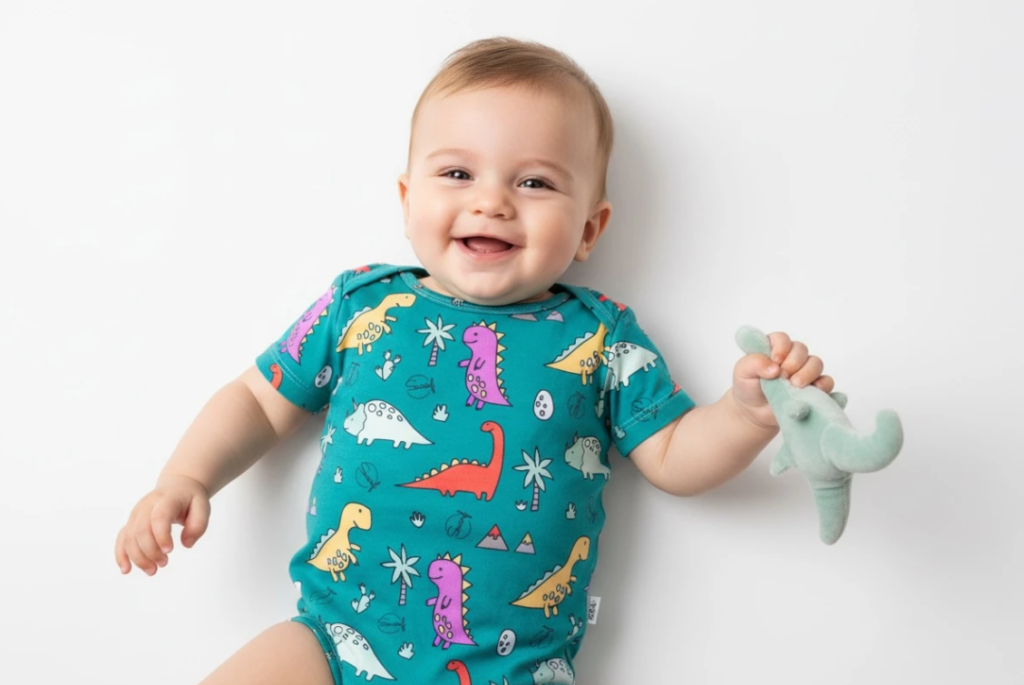
When you first bring a newborn home, every decision feels monumental. You scrutinize the crib safety ratings, the purity of the nursery water, and the ingredients in every lotion. However, one of the most frequent points of contact your baby will have with the world is through their clothing. A baby’s skin is their largest organ and acts as a primary barrier against the environment, yet it is significantly thinner and more sensitive than adult skin. This is why the modern movement toward premium materials like bamboo viscose and organic cotton isn’t just a trend; it is a fundamental shift in how we approach infant health and comfort.
Understanding the Sensitivity of Newborn Skin
To understand why fabric choice matters, we must first look at the science of neonatal skin. In the first few months of life, a baby’s skin barrier is still developing. It loses moisture more quickly than adult skin and is more prone to irritation from synthetic dyes, harsh chemical finishes, and rough fibers. Many traditional clothing items are treated with flame retardants or formaldehyde to keep them “wrinkle-free” on retail shelves. For a newborn, these chemicals can lead to contact dermatitis, unexplained rashes, or exacerbated eczema.
The shift toward natural and semi-synthetic fibers like those found in the collections at Baby Drewberry is rooted in the need to provide a “second skin” that protects rather than irritates. By choosing fabrics that are mechanically or chemically processed to remain smooth and hypoallergenic, parents can significantly reduce the environmental stressors placed on their child’s developing immune system.
The Rise of Bamboo Viscose: A Luxury Necessity
Bamboo viscose has rapidly climbed the ranks to become the gold standard in baby apparel. But what exactly makes it so special? Unlike cotton, which has short, coarse fibers that can feel scratchy under a microscope, bamboo fibers are long and smooth. This creates a fabric that feels like a cross between silk and cashmere. For a baby who spends the majority of their time lying down, moving their limbs, and eventually crawling, this lack of friction is crucial for preventing “fabric burn” and keeping their skin calm.
Beyond the feel, bamboo is a powerhouse of functionality. One of its most celebrated features is its thermal regulation. Babies often struggle to maintain a consistent body temperature, which is why they can wake up sweaty or shivering. Bamboo viscose contains micro-gaps that allow for high breathability. It pulls moisture away from the skin—absorbing up to 40% more than even organic cotton—and allows it to evaporate. This “wicking” effect keeps the baby dry and comfortable, which often leads to longer, more consolidated sleep cycles for both the infant and the parents.
Durability Meets the Demands of Parenthood
New parents quickly learn that baby clothes undergo a rigorous cycle of wear. Between diaper blowouts, spit-ups, and the general mess of feeding, an outfit might be washed dozens of times in its first few months of use. One of the biggest frustrations with standard baby clothing is how quickly it loses its shape or becomes “pilly” and rough after a few trips through the laundry.
Bamboo viscose is remarkably resilient. Because the fibers are naturally elastic, the clothing has a “four-way stretch” that allows it to grow with the baby. A bamboo sleeper that fits a three-month-old can often still comfortably fit that same child at five or six months because the fabric expands without losing its structural integrity. This longevity makes the initial investment in premium clothing much more cost-effective over time.
Style and Playfulness in Modern Baby Fashion
While functionality is the priority, parents shouldn’t have to sacrifice style. The modern baby boutique market has embraced bold, whimsical designs that reflect the joy of childhood. From the “Moo” themed sets for a day at the farm to vibrant tropical flamingo prints for summer outings, clothing has become a way to celebrate a child’s emerging personality.
Textured fabrics are also making a major comeback. The waffle-knit jumpsuit, for example, offers a classic, vintage aesthetic while providing extra pockets of warmth. These textures add visual interest and a tactile experience for the baby, who is constantly learning through touch. Combining these classic textures with modern, vibrant prints allows parents to curate a wardrobe that is both “Instagram-ready” and fundamentally practical for a busy day of play.
Creating the Perfect Baby Shower Gift
For those looking to buy for others, the “Newborn Baby Shower Gift Set” remains the pinnacle of thoughtful gifting. A well-curated bundle takes the stress away from new parents by providing a coordinated “starter kit” of essentials. When these bundles include high-quality swaddles, sleepers, and hats, they aren’t just giving clothes; they are giving the gift of a better night’s sleep and peace of mind.
A great gift set focuses on versatility. Neutral tones like beige or sage are always safe bets, but adding a “stand-out” piece—like a vibrant yellow tutu or a football-themed set—adds a layer of personality that makes the gift memorable. The key is to look for “OEKO-TEX” certified fabrics or brands that prioritize ethical manufacturing, ensuring the gift is as safe as it is beautiful.
The Environmental Impact of Fabric Choices
Today’s parents are more eco-conscious than any generation before them. They want to know that the clothes they buy for their children aren’t contributing to a degraded planet. Bamboo is one of the most sustainable resources available. It is a grass that grows incredibly fast, requires no pesticides, and consumes far less water than cotton.
When you choose bamboo or high-quality cotton blends, you are participating in a “slow fashion” movement. By buying fewer, higher-quality pieces that last longer and can be passed down to siblings or friends, you reduce the cycle of textile waste. Sustainability in the nursery is about more than just the environment; it’s about setting a standard for the world our children will grow up in.
Final Thoughts: The Baby Drewberry Standard
Choosing the right clothing for your newborn is about finding the intersection of science, comfort, and style. Whether you are searching for the buttery softness of a bamboo sleeper, the playful movement of a fringe dress, or the cozy reliability of a waffle-knit jumpsuit, the goal remains the same: to keep your baby safe and happy.
Investing in high-quality materials means fewer rashes, better sleep, and more “twirl-worthy” moments. As your baby grows from a snuggly newborn into an adventurous toddler, their wardrobe should be able to keep up. By prioritizing breathable, durable, and ethically sourced fabrics, you are giving your child the best possible start to their journey. Explore the world of premium baby fashion and see how the right fabric can make all the difference in your daily routine.